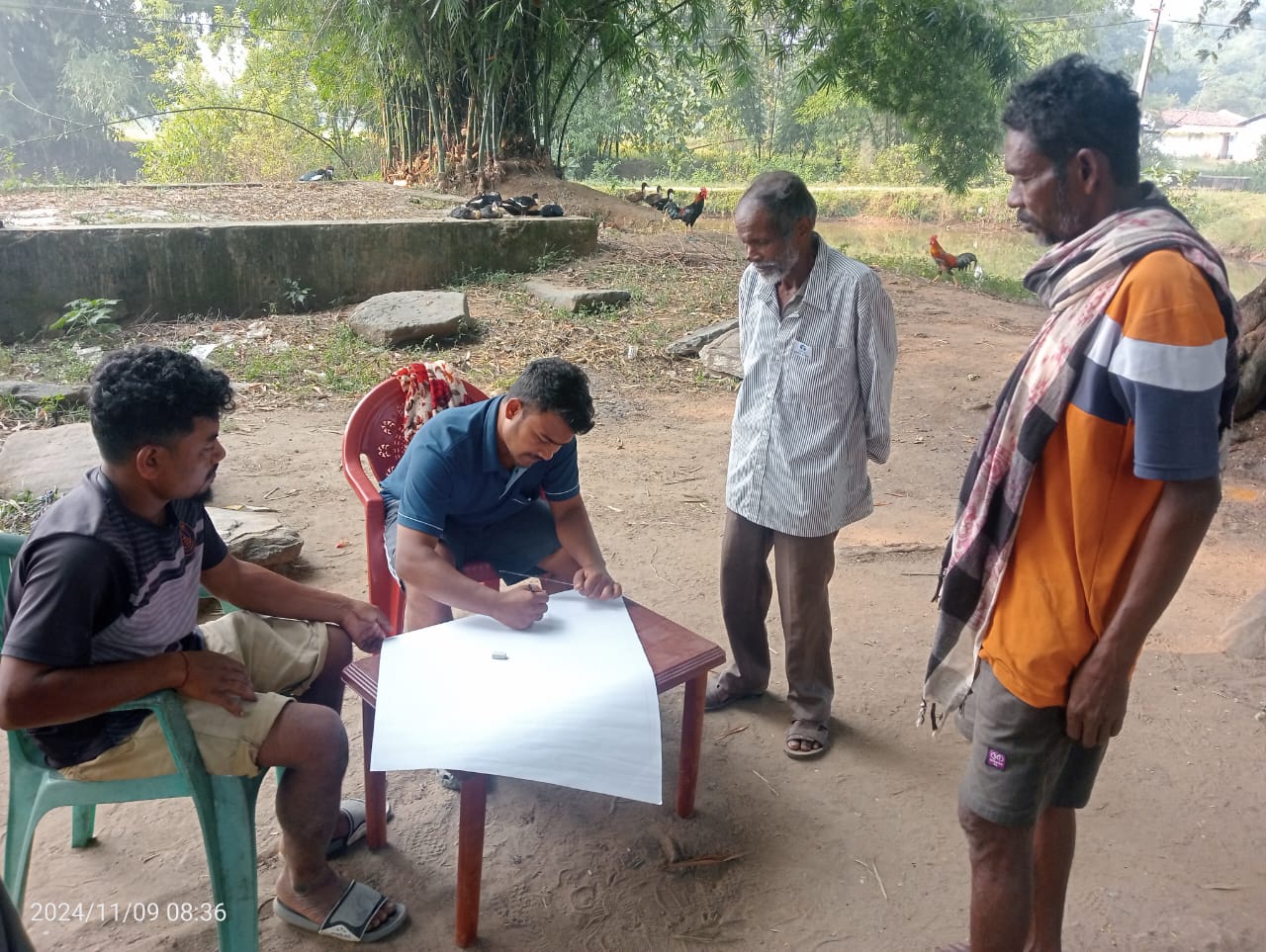
Micro Planing
Strengthening Data Systems for Inclusive Rural Development
Effective planning and service delivery in rural areas depend on data systems that are accurate, inclusive, and reflective of real community needs. At present, micro-planning and local information systems require significant strengthening to better capture the diverse challenges faced by rural populations, particularly in remote, marginalized, and underserved regions.
A major concern is the lack of reliable data on children who are out of school and beyond the reach of basic services. Without proper identification and tracking, these children remain vulnerable to social exclusion, child labor, early marriage, and long-term poverty. Strengthening data availability—especially disaggregated data on out-of-school children—is essential for designing targeted interventions that ensure their right to education and protection.
By improving local data systems, we can support more informed decision-making, enhance access to government schemes, and build a future where every child and community is included in the process of development.